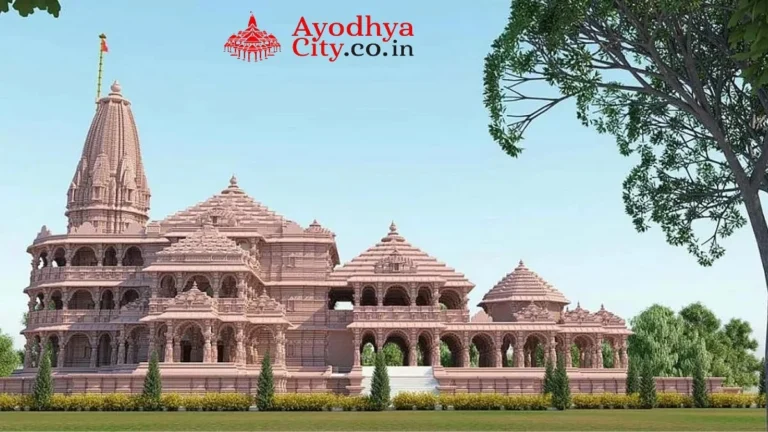
The Festive Calendar of Ayodhya’s Temples: What to Expect
Ayodhya, one of the holiest cities in India, is renowned for its ancient temples, spiritual significance, and vibrant festivals. Throughout the year, the city’s temples come alive with celebrations, drawing pilgrims and visitors from around the world to experience the energy and devotion that define these events. Whether you’re planning a pilgrimage or a cultural visit, understanding the festive calendar of Ayodhya’s temples is essential for getting the most out of your experience.
Let’s take a look at the key festivals and what you can expect during these special occasions.
1. Ram Navami: Celebrating Lord Rama’s Birth
Ram Navami, which typically falls in March or April, is one of the most significant festivals in Ayodhya. It marks the birth of Lord Rama, the city’s most revered deity. The celebrations are grand, especially at the Ram Janmabhoomi and Kanak Bhawan temples, which attract thousands of devotees for prayers, processions, and rituals.
- What to Expect: The city is adorned with lights and decorations, while processions with beautifully decorated idols of Lord Rama, Sita, Lakshmana, and Hanuman make their way through the streets. Temples host special aartis (ritual prayers), bhajans (devotional songs), and discourses about the life of Lord Rama.
- Highlight: The recitation of the Ramayana in temples, culminating in the moment when Lord Rama is believed to have been born, marked with bells, chants, and the lighting of lamps.
2. Diwali: The Return of Lord Rama to Ayodhya
Diwali, the festival of lights, holds a special place in Ayodhya. It commemorates the return of Lord Rama, Goddess Sita, and Lord Lakshmana to Ayodhya after 14 years of exile and the defeat of the demon king Ravana. The city celebrates this occasion with unmatched fervor.
- What to Expect: Ayodhya is transformed into a dazzling city of lights. Ram Ki Paidi, the ghats along the Saryu River, are illuminated with thousands of earthen lamps (diyas), creating a breathtaking view. Temples host elaborate pujas (worship rituals), and fireworks light up the night sky.
- Highlight: The Deepotsav celebration at Ram Ki Paidi, where millions of lamps are lit, making it a visual spectacle that draws visitors from across the country.
3. Kartik Purnima: The Spiritual Lights of Devotion
Kartik Purnima is another significant festival celebrated in Ayodhya, usually in November. This full moon day of the Hindu month of Kartik is considered highly auspicious, especially for taking a holy dip in the Saryu River.
- What to Expect: Devotees flock to the ghats of the Saryu River at dawn to bathe in the holy waters, believed to wash away sins. The temples of Ayodhya, especially Nageshwar Nath and Hanuman Garhi, host special rituals and bhajans. In the evening, the city is again lit up with lamps and candles as a tribute to the gods.
- Highlight: The evening aarti at the Saryu River ghats, where the reflection of thousands of lamps on the water creates a magical, spiritual atmosphere.
4. Holi: A Riot of Colors and Joy
Ayodhya’s Holi, like the rest of India, is marked by colors, joy, and the spirit of togetherness. However, in the city of Lord Rama, the festival takes on a spiritual dimension as well, celebrating the divine love and unity of Lord Rama and his devotees.
- What to Expect: On Holi, the temples of Ayodhya, particularly Ram Janmabhoomi and Hanuman Garhi, host special prayers. The streets are filled with people throwing colored powders, and traditional songs celebrating the joy of the season are sung.
- Highlight: Devotees and visitors often gather at temples for bhajans and devotional dances, followed by the playful throwing of colors, symbolizing the arrival of spring and the victory of good over evil.
5. Shravan Jhula Mela: A Swinging Celebration
The Shravan Jhula Mela, held in August during the Hindu month of Shravan, is a unique festival celebrated in Ayodhya. During this festival, the idols of Lord Rama, Sita, and Lakshmana are placed on beautifully decorated swings (jhulas) in the temples, symbolizing the playful relationship between the divine and their devotees.
- What to Expect: Temples such as Kanak Bhawan and Dashrath Mahal are elaborately decorated, and the idols are ceremonially placed on swings. Devotees gather to offer prayers, sing devotional songs, and enjoy the festive atmosphere. The entire city is adorned with lights and flowers, and fairs are held for visitors to enjoy.
- Highlight: The sight of the deities on the swings, adorned with flowers and bright fabrics, while the temple grounds echo with devotional songs and prayers.
6. Makar Sankranti: A Festival of Renewal
Makar Sankranti, celebrated in January, marks the transition of the sun into the zodiac sign of Capricorn. This festival is particularly important for taking a dip in the holy waters of the Saryu River, as it is believed to cleanse the soul.
- What to Expect: Devotees gather at the riverbanks early in the morning to take a holy dip, followed by prayers at nearby temples. Nageshwar Nath Temple is a popular spot during this festival. Kites fill the skies, and people prepare traditional sweets made of sesame and jaggery.
- Highlight: The holy dip in the Saryu River, which thousands of pilgrims undertake as part of their spiritual journey, is the highlight of Makar Sankranti in Ayodhya.
Final Thoughts
Ayodhya’s festive calendar is a reflection of the city’s deep spiritual roots and vibrant culture. Each festival celebrated here, from Ram Navami to Diwali, brings with it a unique blend of devotion, celebration, and tradition. For visitors, these festivals provide an incredible opportunity to witness Ayodhya’s cultural richness and to participate in its ancient traditions. If you’re planning a trip, aligning your visit with one of these major festivals will allow you to experience the heart and soul of Ayodhya’s spiritual landscape.
