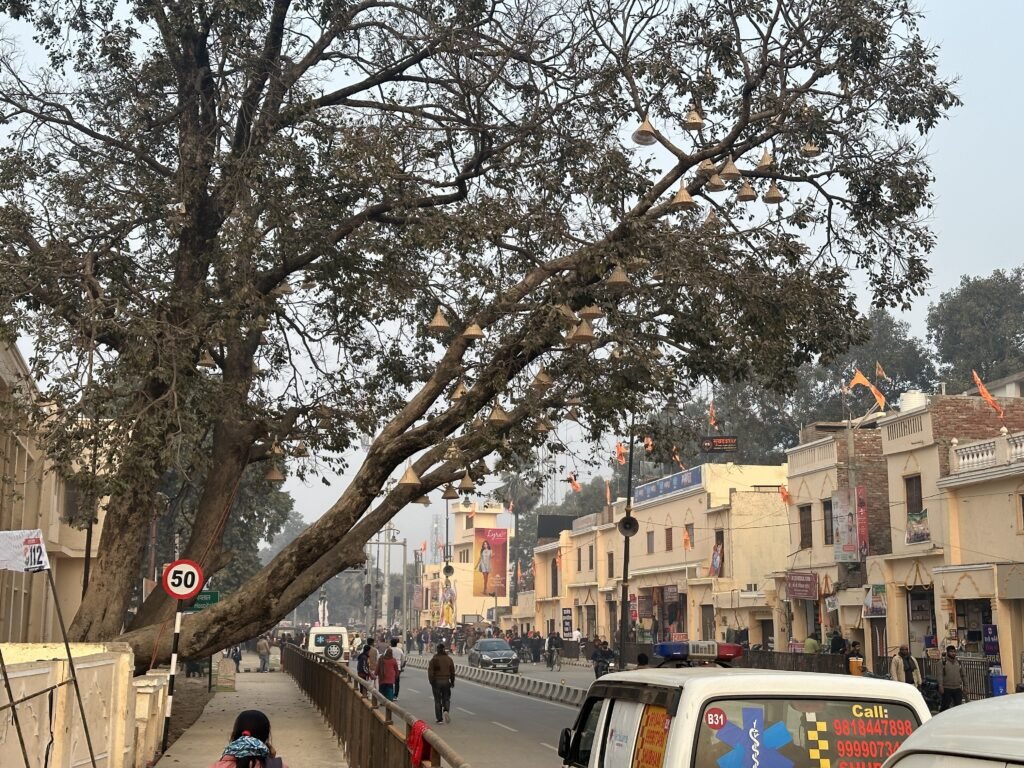
Exploring Ayodhya: A Spiritual and Historical 2-Day Journey
Ayodhya, the birthplace of Lord Rama and one of India’s most sacred cities, is a treasure trove of spiritual significance and historical landmarks. Nestled along the banks of the Saryu River, this ancient city offers a unique blend of myth, culture, and heritage. Whether you’re a devotee seeking a spiritual retreat or a history enthusiast keen on discovering the stories etched in its ancient temples and monuments, Ayodhya provides an enriching experience.
In this blog, we’ll take you on a 2-day journey through Ayodhya, highlighting the must-visit spiritual and historical sites that showcase the essence of this revered city.
Day 1: Immersing in the Spiritual Heart of Ayodhya
Morning: A Visit to Ram Janmabhoomi
Start your day early with a visit to the Ram Janmabhoomi, the birthplace of Lord Rama and one of the most important pilgrimage sites in India. The air is filled with devotion as you walk through the sacred grounds where devotees offer prayers. The spiritual energy of this site is palpable, and it’s an experience like no other for those seeking a deep connection with Lord Rama.
- Don’t Miss: Take a moment for quiet reflection and prayer at the Ram Janmabhoomi Temple, where special morning aartis take place.
Late Morning: Hanuman Garhi Temple
After your visit to Ram Janmabhoomi, head to Hanuman Garhi, a hilltop temple dedicated to Lord Hanuman. Legend has it that Hanuman lived here to protect the city of Ayodhya, making it one of the most revered spots for devotees of the monkey god. The temple offers stunning panoramic views of Ayodhya, and the peaceful atmosphere provides a serene break from the bustle of the city.
- Pro Tip: Climb the temple’s stairs, and enjoy the peaceful view of Ayodhya as the city comes to life below you.
Lunch: Traditional Ayodhya Cuisine
Break for lunch and enjoy some traditional Awadhi cuisine, such as khasta kachori and sabzi, served with tangy chutneys. Ayodhya’s local eateries offer authentic flavors, making your culinary stop as enriching as the spiritual journey.
Afternoon: Kanak Bhawan Temple
Post-lunch, visit the beautiful Kanak Bhawan Temple, dedicated to Lord Rama and Goddess Sita. This stunning temple is known for its intricate architecture and its tranquil setting, allowing visitors to experience the divine in a peaceful atmosphere. The deities of Rama and Sita are dressed in regal attire, and the temple is known as the “Golden Palace” due to the abundance of gold used in the idols and the temple’s structure.
- Highlight: Spend time admiring the detailed carvings and tranquil courtyard, perfect for spiritual contemplation.
Evening: Saryu Aarti at Ram Ki Paidi
End your first day with a memorable experience at Ram Ki Paidi, a series of ghats along the Saryu River. As the sun sets, the Saryu Aarti begins, with priests performing rituals and lighting oil lamps that float gently down the river. The atmosphere is mesmerizing as the reflection of the lamps dances on the water, creating a spiritual ambience that will stay with you long after you leave.
- Highlight: Participate in the lamp-lighting ceremony and experience the peace that the Saryu River offers under the night sky.
Day 2: Discovering the Historical and Cultural Gems
Morning: Nageshwar Nath Temple
Begin your second day with a visit to the Nageshwar Nath Temple, dedicated to Lord Shiva. This ancient temple holds historical significance, as it is said to have been built by Kush, the son of Lord Rama. The temple is a quiet, less crowded spot compared to other sites, making it ideal for morning meditation and offering prayers.
- Don’t Miss: The temple is known for its intricate Shiva Linga and serene surroundings, perfect for morning reflection.
Late Morning: Treta Ke Thakur
Next, head to Treta Ke Thakur, a temple believed to house the idols of Lord Rama, Sita, Lakshmana, and Hanuman, which were carved out of a single black stone. The temple commemorates the time when Lord Rama performed the Ashwamedha Yajna (sacrifice). Its historical significance and spiritual atmosphere make it an essential stop for devotees.
- Highlight: Admire the ancient idols and the temple’s simplistic charm, steeped in history.
Lunch: Local Delights
Enjoy a hearty lunch of biryani or vegetable pulao from one of Ayodhya’s local food joints, offering rich flavors that reflect the region’s culinary heritage.
Afternoon: Dashrath Mahal and Tulsi Smarak Bhawan
After lunch, visit Dashrath Mahal, the former palace of King Dashrath, father of Lord Rama. It is an important site for devotees, where you can witness the royal connection to the Ramayana. Although the original structure may no longer exist, the palace stands as a tribute to Ayodhya’s rich royal heritage.
Next, make your way to Tulsi Smarak Bhawan, a cultural and historical site dedicated to the famous poet Tulsidas, who composed the Ramcharitmanas. This location hosts regular performances of the Ramayana, making it a hub for art and culture in Ayodhya.
- Pro Tip: If you’re lucky, you can catch a live performance of the Ramayana at Tulsi Smarak Bhawan, bringing the epic tale of Lord Rama to life.
Evening: Sunset at Guptar Ghat
As your journey through Ayodhya draws to a close, visit Guptar Ghat, where it is believed that Lord Rama took his final journey into the waters of the Saryu River. The ghats are peaceful in the evening, offering a perfect spot to reflect on the spiritual and historical significance of your trip.
- Highlight: Witness the calming beauty of the sunset over the Saryu River, offering a perfect end to your journey.
