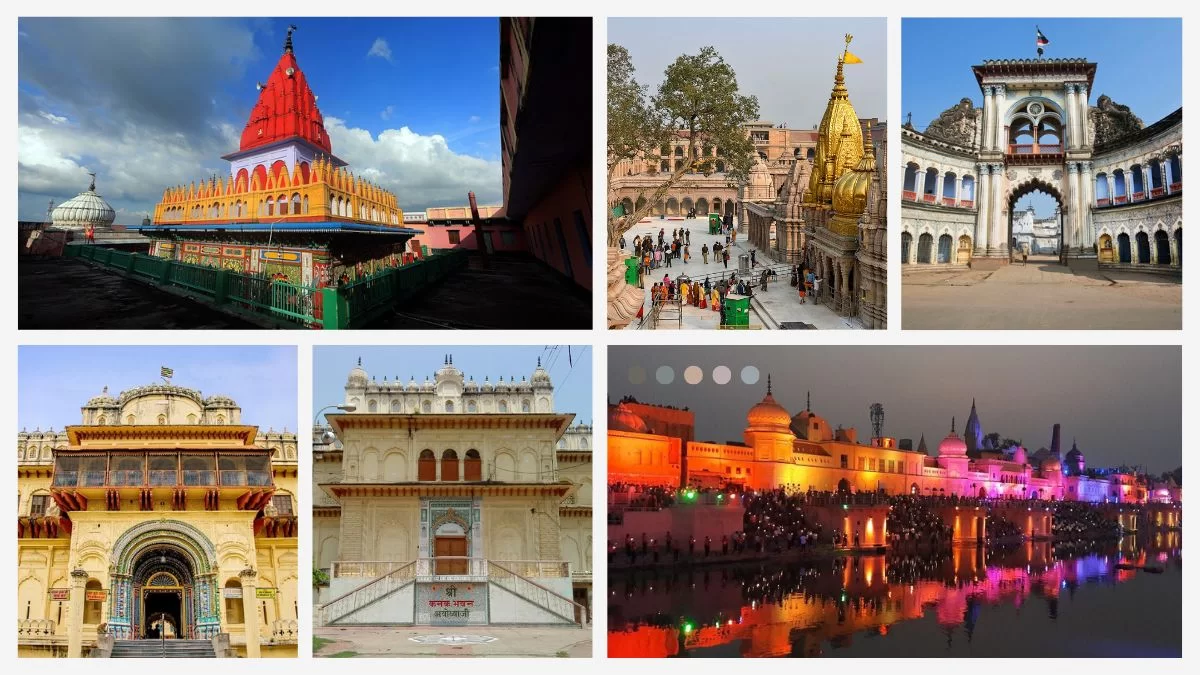
Road Guide to Ayodhya: Exploring the City’s Temples
Ayodhya, a city known for its deep spiritual roots and historical importance, offers a unique journey through India’s religious history. Home to numerous ancient temples, Ayodhya is a sacred destination for millions of devotees, particularly those following the footsteps of Lord Rama. Whether you’re here for a spiritual pilgrimage or a cultural exploration, this road guide to Ayodhya’s temples will help you plan an efficient and enriching temple-hopping experience.
In this blog, we’ll cover the major temples and provide directions to help you navigate this holy city.
Starting Point: Ram Janmabhoomi Temple
The most significant spiritual site in Ayodhya, Ram Janmabhoomi, is believed to be the birthplace of Lord Rama. Located in the heart of Ayodhya, this temple is the most important stop on any pilgrimage route. The temple complex is vast, and the spiritual energy is overwhelming as you walk through the grounds. Pilgrims come from all corners of the country to offer prayers here.
- Getting There: The temple is centrally located and easily accessible from Ayodhya Railway Station (3 km away) and Faizabad Bus Stand (10 km away). Public transportation, taxis, and auto-rickshaws are available.
- Tip: Start your visit early in the morning to avoid the rush and long queues. Also, keep in mind that security checks are strict, and cameras and phones are not allowed inside the temple.
Next Stop: Hanuman Garhi Temple
Just a short drive from Ram Janmabhoomi, Hanuman Garhi is one of the most famous temples in Ayodhya. Dedicated to Lord Hanuman, this temple is said to protect the city of Ayodhya. Pilgrims believe that no visit to Ayodhya is complete without first visiting Hanuman Garhi, as Lord Hanuman is considered the gatekeeper of the city.
- Distance from Ram Janmabhoomi: 1.5 km (approximately 5 minutes by road).
- Getting There: You can easily take an auto-rickshaw or walk from Ram Janmabhoomi. The temple is located on an elevated platform, so be prepared to climb a flight of stairs to reach the entrance.
- Tip: The temple provides stunning views of Ayodhya, so make sure to bring water and take your time climbing the steps.
Kanak Bhawan Temple
A short drive away from Hanuman Garhi lies the Kanak Bhawan Temple, a stunning structure dedicated to Lord Rama and Goddess Sita. The temple is known for its peaceful atmosphere and beautifully adorned idols of Rama and Sita, making it a popular spot for devotees and tourists alike. The temple is also believed to have been gifted to Sita by Lord Rama’s stepmother, Queen Kaikeyi.
- Distance from Hanuman Garhi: 2 km (approximately 10 minutes by road).
- Getting There: Auto-rickshaws and taxis are the best options for this short trip. The roads leading to Kanak Bhawan are well-maintained, and the temple is easy to locate.
- Tip: Visit during the early afternoon to enjoy the temple’s quiet atmosphere and take in its intricate architecture.
Nageshwar Nath Temple
One of the oldest temples in Ayodhya, the Nageshwar Nath Temple is dedicated to Lord Shiva. According to legend, this temple was built by Kush, the son of Lord Rama, after he found a Shiva Lingam left by a Nag Kanya (serpent maiden). The temple is of great religious significance and is especially popular during the festival of Maha Shivaratri.
- Distance from Kanak Bhawan: 3 km (approximately 15 minutes by road).
- Getting There: Taxis and auto-rickshaws are easily available for this leg of the journey. The temple is located near the Saryu River, making it a peaceful stop on your itinerary.
- Tip: Spend some time by the Saryu River after your temple visit, as the surroundings are perfect for a serene and reflective moment.
Treta Ke Thakur Temple
A short drive away from Nageshwar Nath is Treta Ke Thakur, another prominent temple in Ayodhya. This temple houses black stone idols of Lord Rama, Sita, Lakshmana, and Hanuman, said to be installed by King Vikramaditya. The temple commemorates Lord Rama’s Ashwamedha Yajna and holds great historical and religious significance.
- Distance from Nageshwar Nath Temple: 1.5 km (approximately 7 minutes by road).
- Getting There: You can reach Treta Ke Thakur easily by taxi or auto-rickshaw. The roads leading to the temple are relatively straightforward.
- Tip: The temple is often less crowded than the other major spots, making it a great place for quiet prayer and reflection.
Afternoon Visit: Saryu River and Ram Ki Paidi
No trip to Ayodhya is complete without visiting the Saryu River and the Ram Ki Paidi ghats, where pilgrims perform ritual bathing and evening aarti ceremonies. The ghats along the Saryu River are a peaceful spot to relax after a morning of temple visits. The riverbanks come alive in the evening as the aarti begins, with devotees lighting lamps that float down the river.
- Distance from Treta Ke Thakur: 2 km (approximately 10 minutes by road).
- Getting There: The Saryu River is easily accessible by road. Taxis and auto-rickshaws can drop you directly at the riverbanks.
- Tip: Stay for the evening aarti to experience the spiritual atmosphere as lamps light up the river and prayers fill the air.
Final Stop: Dashrath Mahal
End your temple tour with a visit to Dashrath Mahal, the legendary palace of King Dashrath, father of Lord Rama. While the original palace no longer stands, this site is still considered sacred, and pilgrims come here to offer prayers. The temple houses idols of Lord Rama, Sita, Lakshmana, and Bharat, making it an important site for devotees.
- Distance from Saryu River: 1.5 km (approximately 7 minutes by road).
- Getting There: Dashrath Mahal is centrally located, so reaching it from the Saryu River or other temples is quite easy.
- Tip: Spend some time exploring the local markets near Dashrath Mahal, where you can buy religious souvenirs, local crafts, and sweets to take home.
Travel Tips for Exploring Ayodhya’s Temples
- Local Transportation: Auto-rickshaws, taxis, and e-rickshaws are the most convenient modes of transportation in Ayodhya. Most temple sites are close to each other, so short rides will suffice.
- Best Time to Visit: Mornings and evenings are ideal for temple visits, especially to avoid the heat and crowds. The Saryu Aarti is an unforgettable experience and should not be missed.
- Dress Modestly: Ayodhya is a sacred city, so dressing modestly, especially when visiting temples, is recommended. Shoes need to be removed before entering temple premises.
- Respect Local Customs: As with any religious site, it’s essential to show respect for local customs and rituals. Participate in the aartis, if possible, and avoid loud conversations inside temples.
